Industry News
Feb 23, 2026
YouTube Premium Reaches 100 Million Subscribers Globally
YouTube Premium hits 100M paid subscribers with ad-free streaming and downloads.
Stay updated with the latest changes, trends, and opportunities
YouTube Premium hits 100M paid subscribers with ad-free streaming and downloads.

Jimmy Donaldson becomes first YouTuber to reach 400 million total subscribers.

YouTube boosts Shorts revenue share from 45% to 50% for channels over 100K subscribers.
YouTube unveils AI auto-dubbing, thumbnail generation, and smart editing tools for creators.

New feature allows creators to broadcast in both formats simultaneously with a unified shared chat experience.

YouTube launches Veo 3 in Shorts, enabling creators to generate high-quality video clips from text prompts with minimal delay.

YouTube rolls out significant Browse feed changes, moving from broad topics to viewer-specific clustering for deeper personalization.

Platform actively removing low-quality AI-generated content that mimics popular formats to protect human creators.

Creators can now test up to three different titles, thumbnails, or combinations for long-form videos to maximize performance.
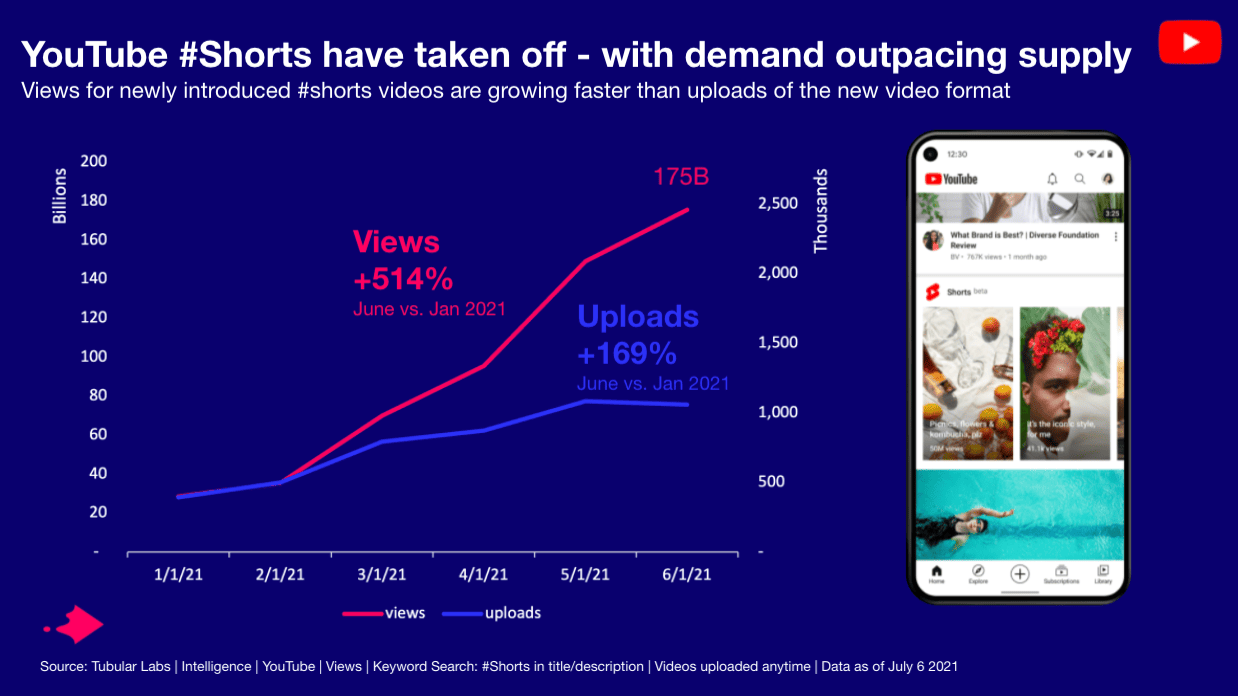
YouTube Shorts has reached a massive milestone of 200 billion daily views with 2 billion monthly users, surpassing both TikTok and Instagram Reels. New data shows that channels combining Shorts and long-form content grow 41% faster, while 74% of Shorts views come from non-subscribers, making it YouTube's primary discovery engine.

YouTube has rolled out its biggest live streaming update ever, with over 30% of viewers now engaging with live content daily. New features include a rehearsal mode for private testing, combined horizontal and vertical streaming with shared chat, React Live for stream-on-stream reactions, and AI-powered "Best Moments" that automatically create Shorts from live streams.
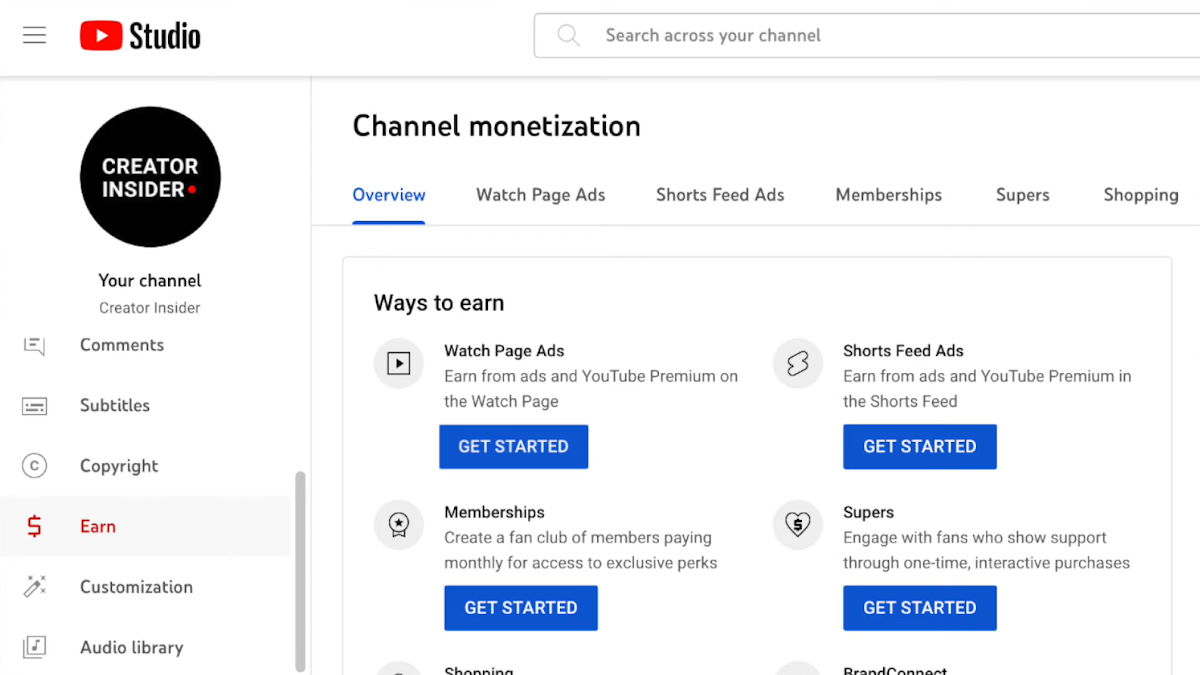
YouTube's 2026 monetization strategy emphasizes "satisfied watch time" over raw views. The platform now calculates a quality ratio—views where viewers finished or watched 80%+, engaged positively, and returned—giving algorithmic boosts to channels with high-quality engagement. This change particularly impacts Shorts creators, where RPM ranges from $0.20-$3.00 depending on retention quality.

YouTube's 2026 algorithm has fundamentally shifted from prioritizing raw watch time to viewer satisfaction metrics. The February 2026 Browse feed overhaul now clusters videos based on micro-niches within viewer watch history, benefiting creators who serve specific audiences. This change means shorter videos with high satisfaction can now outperform longer videos with poor retention.
YouTube rolls out AI-powered video summaries to help viewers quickly understand content before watching.
Advertisers increase spending on finance content as economic uncertainty drives viewer interest.
AI-generated faceless content channels are now 40% of trending videos in education and entertainment.

Google announces extension of the Shorts Creator Fund with increased payouts for top performers.

On February 17, 2026, YouTube experienced a significant global outage lasting approximately 90 minutes, affecting over 300,000 users worldwide. The disruption was caused by a failure in Google's recommendations system, preventing videos from appearing across YouTube's homepage, Shorts feed, and related services including YouTube TV and YouTube Music. The outage peaked around 5:45 PM PST with the U.S. West Coast experiencing the most severe impact.
YouTube announces expanded monetization for Shorts creators with higher revenue share and new ad formats.
Major algorithm changes prioritize viewer satisfaction scores over pure watch time metrics.
.png)
YouTube data reveals that channels using both Shorts and long-form content grow 41% faster than those focusing on a single format, with 74% of Shorts views coming from non-subscribers.

YouTube introduces built-in AI thumbnail creation directly in YouTube Studio.

To protect creators, YouTube expanded its likeness protection technology with a new Studio feature that helps creators detect, manage, and request removal of unauthorized AI-generated videos using their facial likeness.
Lowered subscriber threshold and new paths to monetization announced.

YouTube has expanded its auto-dubbing feature to all channels globally, supporting real-time translation between 27 languages to English and English to 20 languages. The update includes expressive speech capabilities in 8 languages that capture creator emotion, smart filtering to avoid dubbing music or silent content, and is testing lip-sync alignment. This feature helps creators reach global audiences without manual translation work.
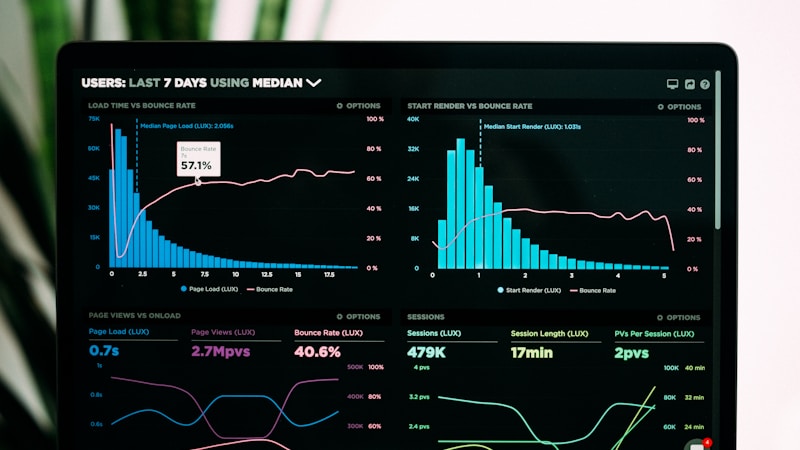
Creators can now test up to three different titles, thumbnails, or combinations for long-form videos to maximize performance and optimize click-through rates.

In February 2026, YouTube updated its advertiser-friendly guidelines to allow content featuring 30-round magazines (attached or separate from firearms) to be eligible for ad revenue, updating the previous 29-round limit.
YouTube mandates AI-generated content disclosure starting March 2026.
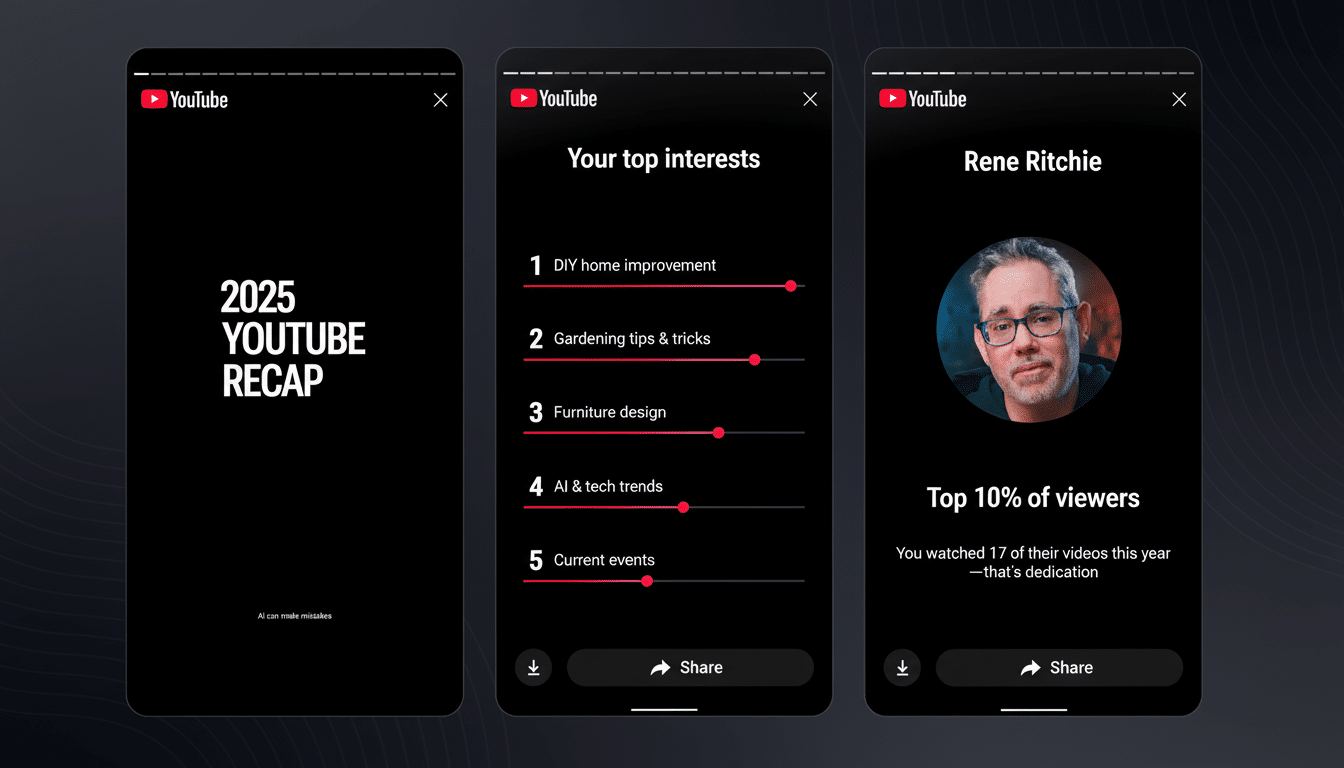
YouTube updated its Browse feed to cluster videos based on individual viewer watch history patterns rather than broad topics, significantly boosting visibility for niche content and micro-niches.
In February 2026, YouTube rolled out a Browse feed personalization update using viewer watch history clusters for deeper hyper-personalization, giving niche and evergreen content increased visibility on the homepage.
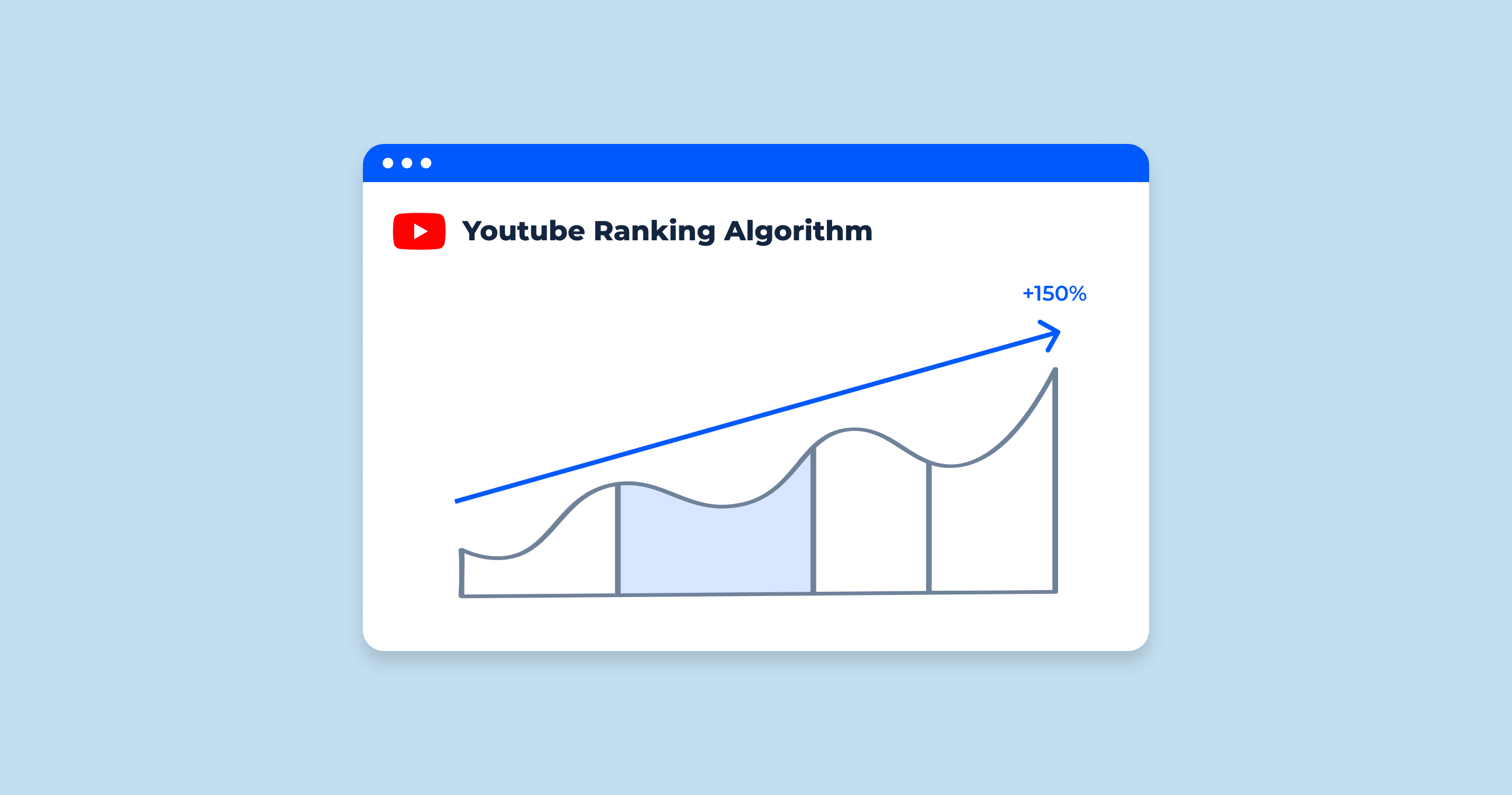
YouTube's algorithm now prioritizes viewer satisfaction scores over raw watch time, marking a major philosophical shift. Post-watch surveys, likes, shares, and return visits now carry more weight than video duration.
AI-narrated faceless channels see 300% growth in early 2026.
Data shows that Shorts between 50-60 seconds achieve the highest performance with a 76% watch-through rate, while videos over 40 seconds show 33% higher engagement than shorter clips.
YouTube's Browse feed now uses deeper personalization based on viewer watch history clusters, moving beyond broad topic categories to identify micro-niches within viewer interests, benefiting niche content creators.
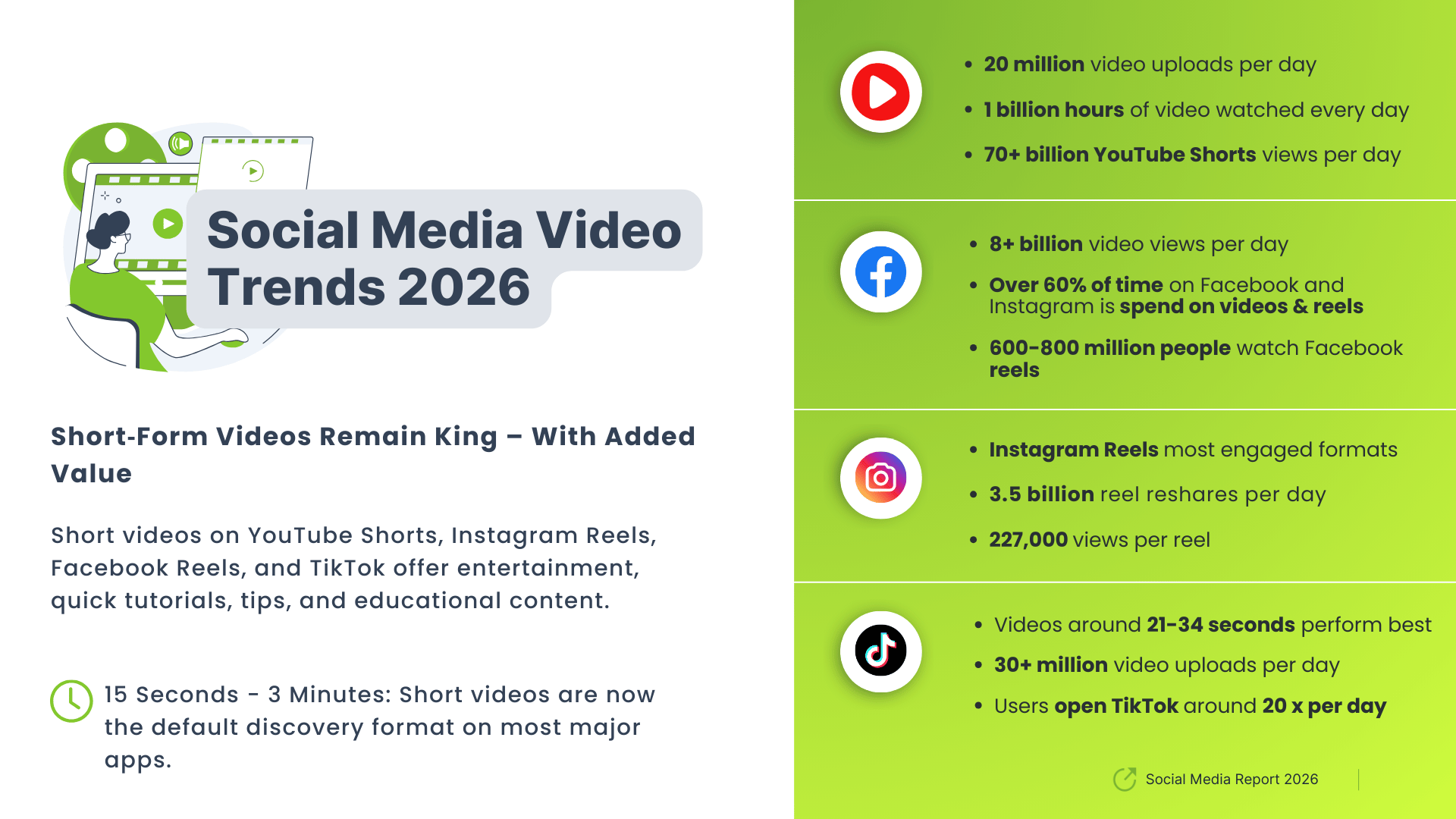
YouTube Shorts continues dominating short-form video in 2026 with over 200 billion daily views and 2 billion monthly active users, surpassing TikTok and Instagram Reels in engagement rates at 5.91%.

YouTube CEO Neal Mohan announced that Shorts reached 200 billion daily views in January 2026, up from 70 billion in March 2024, solidifying its position as a major discovery channel and revenue source for creators.

YouTube's AI now automatically places product tags at the exact moment products are mentioned in videos and detects products based on visuals and voiceover, helping creators with shopping integrations.
YouTube upgraded its auto-dubbing feature with lip sync technology that visually aligns a speaker's lips with dubbed languages, making translated videos more immersive and accessible to global audiences.

YouTube's new AI editing tool for Shorts allows creators to mark clips in their gallery, and AI assembles them into a full video with music, transitions, and voiceovers in English and Hindi.
Creators can now stream simultaneously in both horizontal and vertical formats with viewers joining a single shared chat, expanding reach across different viewing preferences without running separate streams.
Developed with Google DeepMind, Veo 3 Fast allows creators to generate video clips, add characters, props, or effects using text descriptions with minimal delay. All AI-generated content will be labeled 'made with AI'.

YouTube updated its advertiser-friendly content guidelines in January 2026 to allow more videos discussing controversial topics to earn full ad revenue. Content covering self-harm, abortion, suicide, and domestic/sexual abuse can now be fully monetized if presented in a non-graphic or dramatized manner. The change responds to creator feedback about restricted revenue for educational and fictional content on sensitive subjects, though child abuse and eating disorders remain ineligible.

YouTube announced it will no longer provide data to Billboard charts after January 16, 2026, ending a decade-long partnership. The decision stems from Billboard's refusal to equally weight ad-supported streams with subscription-based streams in chart calculations. YouTube argues this outdated formula undervalues the massive engagement from fans who don't have subscriptions, despite streaming making up 84% of U.S. recorded music revenue.

YouTube updated its Partner Program policies effective July 15, 2025, to better identify and restrict mass-produced and repetitious content. The new guidelines target channels relying on automation, AI-generated videos with minimal originality, and near-duplicate content that fails to provide viewer value. Channels publishing such content risk suspension or removal from the YouTube Partner Program, while creators producing original content should see little to no impact.